
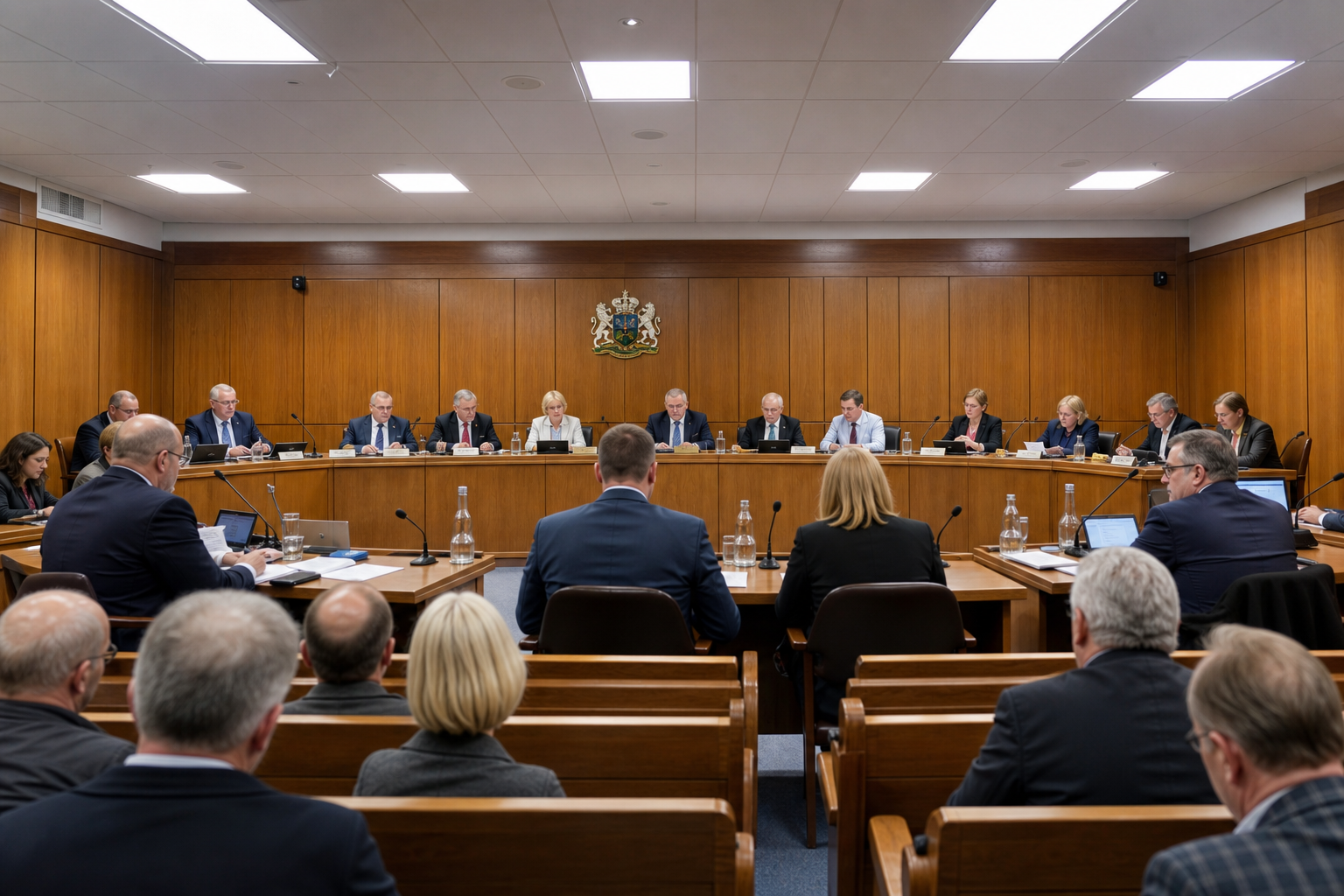
A planning appeal happens when a planning authority refuses an application, imposes conditions the applicant finds unacceptable, or fails to make a decision within the statutory period. In England, appeals are determined by the Planning Inspectorate — an executive agency of the Ministry of Housing, Communities and Local Government — rather than the council that originally decided the application.
This guide explains who can appeal, how the process works, and — critically for objectors — how you can engage with an appeal and why it still matters even though you cannot trigger one yourself.
Who can appeal?
In England, only the applicant can appeal against a planning decision. There is no general third-party right of appeal for neighbours or objectors. This is a long-established feature of the English planning system, though it has attracted periodic reform proposals.
As a neighbour or interested party, you cannot:
- Initiate an appeal because you believe the council should have refused permission
- Challenge a grant of planning permission through the appeal system
If planning permission has been granted and you believe there was a legal or procedural error — wrong policies applied, a statutory consultee not properly consulted, a material error in the officer's report — the only route available to third parties is judicial review in the High Court within six weeks of the decision. This is expensive, procedurally complex, and requires specialist legal advice. It is used in a small minority of cases.
What you can do is engage actively if the applicant appeals against a refusal — and your contribution can make a real difference to the Inspector's assessment.
Appeal types: written representations, hearings, and inquiries
The Planning Inspectorate uses three procedures depending on complexity:
Written representations (most common)
The applicant, the council, and interested parties each submit written statements. There is no oral hearing — the Inspector visits the site, reads all statements, and issues a written decision. Most householder and minor commercial appeals use this route.
Timescale: typically 24–36 weeks from start date to decision.
Hearings
An informal discussion led by the Inspector, supplemented by written submissions. Used for moderately complex cases where the Inspector needs to probe specific issues in detail.
Timescale: typically 26–40 weeks.
Public local inquiries
The most formal procedure, with legal representation, proofs of evidence, and cross-examination. Reserved for major and complex proposals — large residential schemes, strategic employment land, nationally significant development.
Timescale: 12–18 months or longer for major inquiries.
How objectors can participate in a planning appeal
When an appeal is validated, the Planning Inspectorate notifies the council, which must in turn notify all those who made representations on the original application. You should receive a letter or email confirming the appeal start date and how to submit.
Submitting an interested party representation
You can submit a written statement — called an interested party representation — to the Inspector. For written representations, this is normally due within five weeks of the start date. Your statement should:
- Reference and update your original objection — if new evidence or changed circumstances are relevant, include them
- Focus on material planning issues — the same test applies at appeal as at application stage
- Address the grounds of appeal — read the applicant's appeal statement and respond directly to their arguments; an Inspector finds it helpful when objectors engage with the specific case being put
- Be concise and structured — Inspectors process many cases simultaneously and respond well to clearly signposted, policy-referenced submissions
For hearings and inquiries, you may have the opportunity to speak. Check the case file on the Planning Inspectorate's appeal casework portal for procedural timetables and participation instructions.
What the Inspector weighs
The Inspector applies the same statutory test as the council — decisions must be made in accordance with the development plan unless material considerations indicate otherwise (Section 38(6), Planning and Compulsory Purchase Act 2004). However, the Inspector makes a fresh and independent assessment; the council's reasoning is not binding on them.
Inspectors frequently allow appeals because a council's stated reasons for refusal were not clearly supported by policy. A well-argued third-party representation that reinforces the policy basis for refusal — with references to adopted local plan policies and NPPF paragraphs — can be genuinely persuasive.
Finding appeal information
All Planning Inspectorate appeals are published on the appeal casework portal. You can search by:
- Local planning authority name
- Original application reference
- Appeal reference number
- Address or postcode
The portal shows all submitted documents, procedural letters, site visit arrangements, and the Inspector's final decision report. It is publicly accessible without registration and maintains a permanent record.
Costs in planning appeals
The Planning Inspectorate can award costs against either the applicant or the council if one party behaved unreasonably and caused the other to incur unnecessary expense. Costs awards are made relatively rarely and almost never against interested parties who participate in good faith.
Common situations where costs may be sought:
- Council defends a refusal with a ground that was never cited in the decision notice
- Council fails to appear at a hearing without good reason
- Applicant pursues a clearly unviable appeal without engagement
As a third-party objector participating in an appeal, you are very unlikely to face a costs award for making genuine representations.
What happens after the Inspector decides?
The Inspector can:
- Allow the appeal — overturning the refusal and granting planning permission, usually with conditions
- Dismiss the appeal — upholding the council's refusal
- Allow in part — granting permission for a modified scheme
If the appeal is allowed, planning permission is granted and the applicant can proceed. Third parties generally have no further avenue within the planning system unless there is a legal error justifying judicial review (within six weeks of the Inspector's decision).
If the appeal is dismissed, the applicant can revise their proposal and resubmit a new application, or (less commonly) pursue a further appeal — though an Inspector will apply the same policy tests and is unlikely to reach a different conclusion without genuine changes.
Called-in applications and High Court challenges
The Secretary of State can call in an application of particular national importance before the council decides it. Called-in applications are determined by the Secretary of State on the Inspector's recommendation after a public inquiry, giving objectors and interested parties a higher-profile forum.
Third parties can challenge appeal decisions in the Planning Court (part of the High Court) if there was a material legal error in how the Inspector applied statutory policy or procedure. This requires specialist planning law solicitors and is a niche but established route. See Planning Court guidance on GOV.UK.
If the council does not decide in time
If a local planning authority fails to make a decision within the statutory determination period — 8 weeks for householder applications, 13 weeks for major applications — the applicant can appeal on grounds of non-determination. The Inspector then decides the application as if it had been refused. As a neighbour, you participate in the same way as for a refusal appeal.
Frequently asked questions
Can I appeal if a planning application near me was approved?
No. Only the applicant can appeal in England. If you believe there was a legal error in how a grant of permission was decided, the only route for a third party is judicial review within six weeks of the decision — a complex and costly process requiring specialist legal advice.
How do I know if an appeal has been submitted?
You should receive direct notification if you submitted a representation on the original application. You can also search the Planning Inspectorate casework portal by council name, application reference, or site address.
Does the Inspector have to follow the local plan?
Yes — the statutory framework requires decisions in accordance with the development plan unless material considerations indicate otherwise. However, the Inspector makes an independent assessment and may interpret local plan policies differently from the council. For this reason, referencing the specific wording of relevant policies in your representation is important.
How long does a planning appeal take?
Most householder written representation appeals: 24–36 weeks. Hearings: 26–40 weeks. Inquiries for major schemes: 12–18 months or more.
Can an applicant appeal more than once on the same scheme?
There is no formal bar on a second appeal after a revised application is refused. However, a successive appeal on a materially similar scheme is unlikely to succeed unless the revised proposal genuinely addresses the Inspector's earlier concerns.
If an appeal is live on a development you have already objected to, use Planning Guard's free material-grounds scan to sharpen your policy arguments, then consider an editable letter draft structured for your interested party statement — not legal advice; verify all citations before lodging.
More from this series
- Loss of privacy & overlooking planning objections (UK neighbour guide)
- Right to light vs planning objection: what neighbours need to know (UK)
- Reasons to object to planning permission (UK): what actually counts
- What happens after the planning objection deadline? (UK)
- How to find planning applications near me (UK)
- Planning objection letter template (UK)
- What counts as a material change of use in planning law? (England guide)
- Your rights as a neighbour during construction after planning permission is granted (UK)
When you are ready to turn this into a structured objection draft, start with the free material-grounds scan — no account needed to scan.
Email updates
Get occasional emails when we publish new planning guides and product updates. No spam — unsubscribe in one click from any message.
Explain your concerns clearly and in your own words
Free material-grounds scan — see what may count as material planning considerations. Optional editable letter from £7.99; you submit to the council yourself.Planning Guard is a drafting aid, not legal advice.
Not legal advice. Planning Guard is a planning tool to help you explore material planning issues and draft letters — not a solicitor or planning consultant. See Terms.