
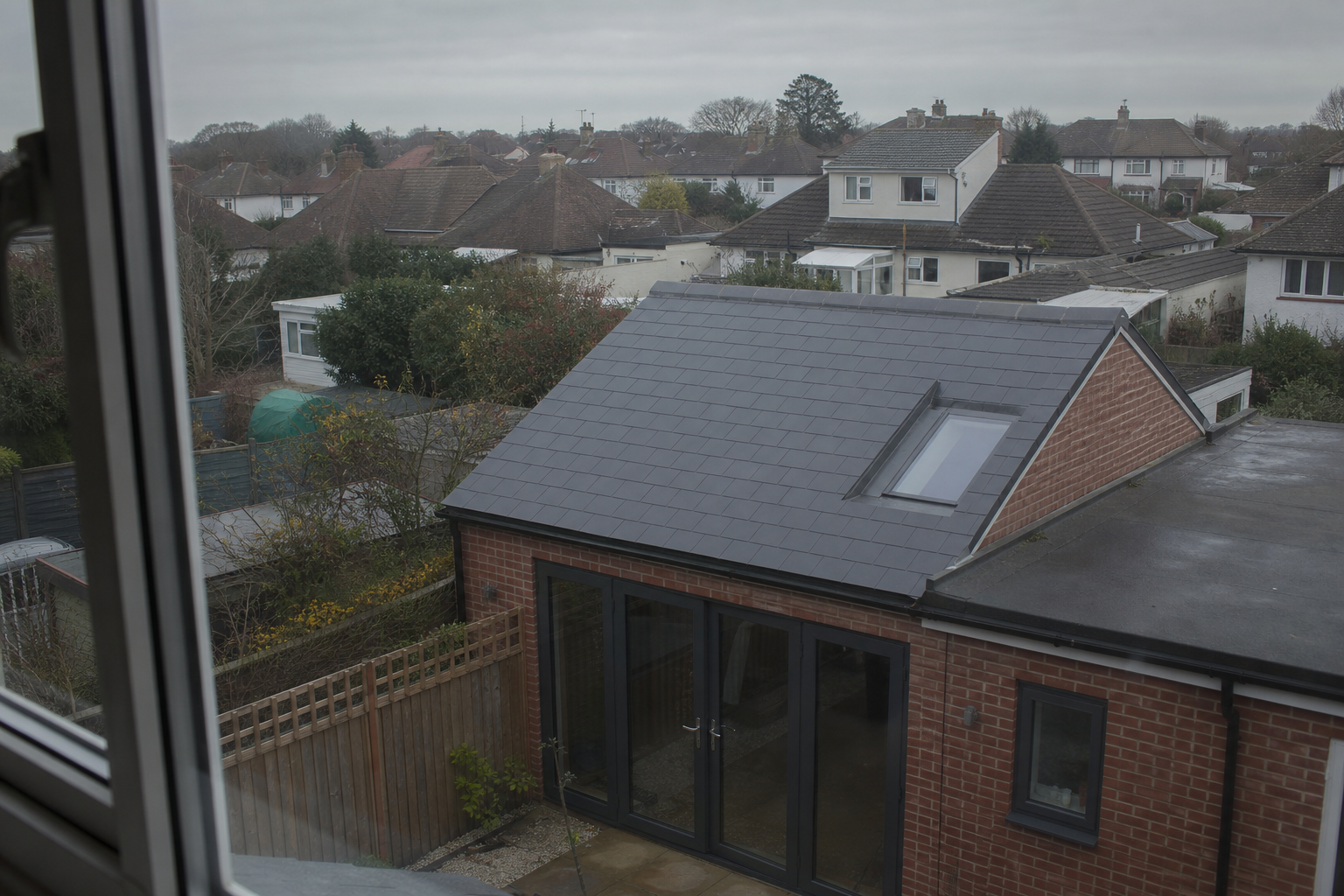
Objecting to a Neighbour's Extension: A Practical Guide (UK)
Key Takeaways
- Material planning grounds for an extension objection include design, residential amenity, privacy, daylight, and highways — not property value or general dislike.
- Always read the validated drawings before you write — object to what has actually been applied for.
- Some extensions proceed under permitted development rights rather than a full planning application — the register will say which regime applies.
- Use Planning Guard to scan the application and identify the strongest grounds for your objection.
Householder extensions — rear, side, and loft — generate some of the most common planning objection searches online. Officers expect material planning considerations: design and character, residential amenity, privacy, daylight, and sometimes heritage or trees — not a general wish that nothing changes next door.
Read the validated drawings on the council portal before you write a word. Then follow how to object to a planning application and lodge before the consultation deadline.
What Makes a Strong Extension Objection
The most effective objections tie each concern to a specific policy and a measurable fact from the drawings. Here are the material themes that commonly apply to extension cases:
| Theme | Example of a planning-linked point |
|---|---|
| Design and massing | Height, depth, or roof form in conflict with local design policy or street character — cite drawing numbers. |
| Privacy and overlooking | New windows or roof lights facing your habitable rooms or garden — tie to policy separation distances and measured distances. See residential amenity objections. |
| Daylight and sunlight | Reduction in daylight to your habitable rooms — reference the validated sections and any BRE methodology policy requires. |
| Dominance | An extension that bears down on your property due to scale, proximity, and orientation. |
| Parking and access | Loss of an existing parking space, or a new access that creates a highway conflict. See highways and traffic objections. |
| Heritage | Impacts on a listed building or the character of a conservation area. See Green Belt and heritage objections. |
What Usually Carries Little Weight on Its Own
These are the arguments that frequently appear in extension objections and frequently fail to influence the planning decision:
- Loss of a private view — unless it crosses into overlooking or loss of daylight, a lost view is not a material planning consideration.
- Property value — not a material consideration in planning law.
- General dislike of the neighbour — keep the file professional and entirely focused on the scheme.
- Aesthetic preferences — "it looks ugly" without a design policy or design code hook.
- Inconvenience during construction — dust, noise, and site hours during construction are environmental health issues, not planning material considerations (unless the application includes operational noise impacts from the completed development).
Permitted Development and Prior Approval Routes
Some extensions proceed under permitted development (PD) rights rather than requiring a full planning application. The council's planning register will show which route applies.
Under PD, neighbours have very limited scope to comment, because the process tests compliance with specific dimensional limits, not planning merits. If you believe a PD application does not meet the dimensional criteria — for example, the extension exceeds the rear projection limit — say so specifically, referencing the relevant part of the legislation.
Prior approval is a lighter-touch process used for some larger single-storey rear extensions. In this route, the LPA considers amenity and design impact on adjoining properties — you will receive a consultation letter. Use the same policy-linked approach as a full application objection.
Finding the Right Policy for an Extension Objection
Local plans typically include residential design policies that address:
- Minimum separation distances between facing windows to habitable rooms.
- Maximum height or depth for rear extensions in residential streets.
- Design quality and materials in conservation areas.
- Parking standards where an extension removes an existing parking space.
Use local plan policies you can cite to find the adopted policies for your local planning authority.
Structuring Your Letter
For each concern, use the three-step pattern:
- Policy — the local plan code and the specific criterion you rely on.
- Fact — the drawing sheet number, distance, height, or orientation.
- Consequence — why the proposal fails the policy test or causes identifiable harm.
Then use planning objection letter format to put the whole letter together.
Get a Draft Extension Objection in Minutes
Planning Guard scans the application documents and produces a policy-linked letter draft for your case. You review, edit, and lodge it before the deadline.
Scan the application free → | See what the letter includes
Frequently Asked Questions
Can I object to my neighbour's extension?
Yes. If a planning application has been validated for a neighbour's extension, you have the right to submit a representation during the consultation period. Your objection should focus on material planning considerations — design, amenity, privacy, daylight — not personal preference.
What are valid reasons to object to a neighbour's extension?
Valid reasons (in planning terms) include: harmful overlooking of habitable rooms or the private garden, loss of daylight evidenced against design policy standards, dominance or overbearing impact, departure from local design policy, or highway safety concerns. Each must be evidenced and tied to a specific policy.
Can I object to a permitted development extension?
Permitted development extensions are not subject to the same planning objection process. However, some permitted development routes involve a neighbour consultation scheme (for larger single-storey rear extensions). You can raise concerns about the impact on your amenity and privacy during that consultation window.
How long do I have to object to a neighbour's extension?
The consultation period is published on the council's planning portal. Many householder applications consult for approximately 21 days from validation, but always check the portal for the specific deadline. See planning application deadlines.
Does objecting to a planning application cost money?
No. Submitting a planning representation is free. You can also use Planning Guard's free scan to identify the strongest grounds before you draft your letter.
Run a free scan on your case, then unlock editable letter drafts if you want them — new case.
More from this series
- Loss of privacy & overlooking planning objections (UK neighbour guide)
- Right to light vs planning objection: what neighbours need to know (UK)
- Reasons to object to planning permission (UK): what actually counts
- What happens after the planning objection deadline? (UK)
- How to find planning applications near me (UK)
- Planning objection letter template (UK)
- What counts as a material change of use in planning law? (England guide)
- Your rights as a neighbour during construction after planning permission is granted (UK)
When you are ready to turn this into a structured objection draft, start with the free material-grounds scan — no account needed to scan.
Email updates
Get occasional emails when we publish new planning guides and product updates. No spam — unsubscribe in one click from any message.
Explain your concerns clearly and in your own words
Free material-grounds scan — see what may count as material planning considerations. Optional editable letter from £7.99; you submit to the council yourself.Planning Guard is a drafting aid, not legal advice.
Not legal advice. Planning Guard is a planning tool to help you explore material planning issues and draft letters — not a solicitor or planning consultant. See Terms.